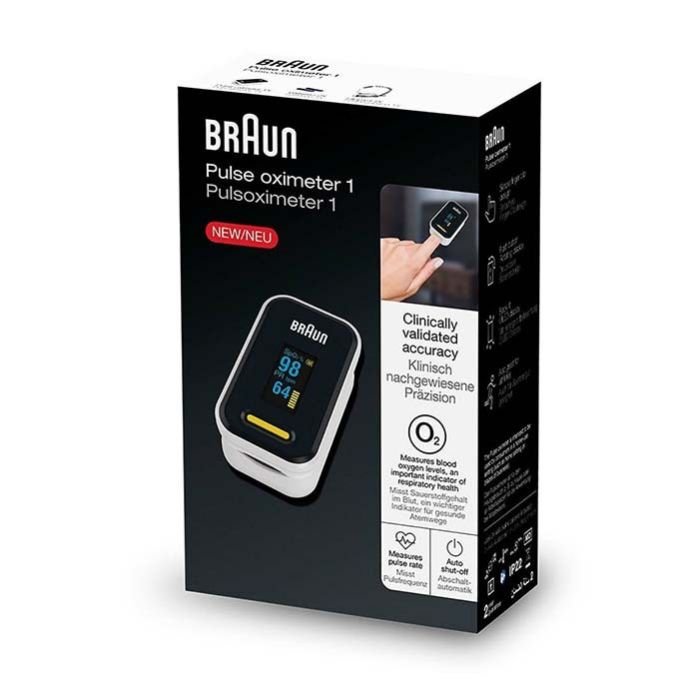
- Fast, Accurate Monitoring: Provides reliable SpO₂ and pulse rate readings within seconds for quick health assessments.
- User-Friendly Operation: Simple one-touch functionality and a clear digital display cater to all user levels, including elders and caregivers.
- Portable & Lightweight: Ideal for use at home, during travel, or in sports environments.
- Supports Health Management: Enables ongoing tracking for individuals with respiratory conditions, after surgery, or during illness.
- Safety Features: Auto-shutoff and low-battery indicator to prevent unnecessary power loss.
Individual results may vary. This device is for wellness monitoring only and is not intended to diagnose, treat, cure, or prevent any disease. Always consult your healthcare provider before relying on at-home measurements.
- Individuals with chronic respiratory or cardiovascular conditions (e.g., COPD, asthma, heart failure)
- Athletes and fitness enthusiasts monitoring blood oxygen during training
- Caregivers and family members of elderly or at-risk individuals
- Travelers to high-altitude regions
- People recovering from surgery or respiratory illness
Not suitable for infants and very young children without medical supervision. Always consult healthcare professionals for interpretation and application of readings. Device is intended for supplemental monitoring only.
- Wash and dry your hands thoroughly before using the pulse oximeter.
- Insert your finger (preferably the index or middle finger) into the device’s sensor, ensuring that the nail is clean and free of polish or artificial nails for best accuracy.
- Press the power button to activate the device.
- Remain still and keep your hand relaxed at heart level as the oximeter reads your SpO₂ and pulse rate; this usually takes a few seconds.
- Read the measurements displayed on the screen. Record your results if regular monitoring is recommended by a healthcare professional.
- Remove your finger and turn off the device if it does not automatically shut off.
Tip: Ensure your finger is warm and stationary during measurement for the most accurate readings. Follow manufacturer advice for cleaning and battery changes.
Consult your healthcare provider for guidance on interpretation and required monitoring frequency. Not a substitute for professional medical advice.






.jpg)